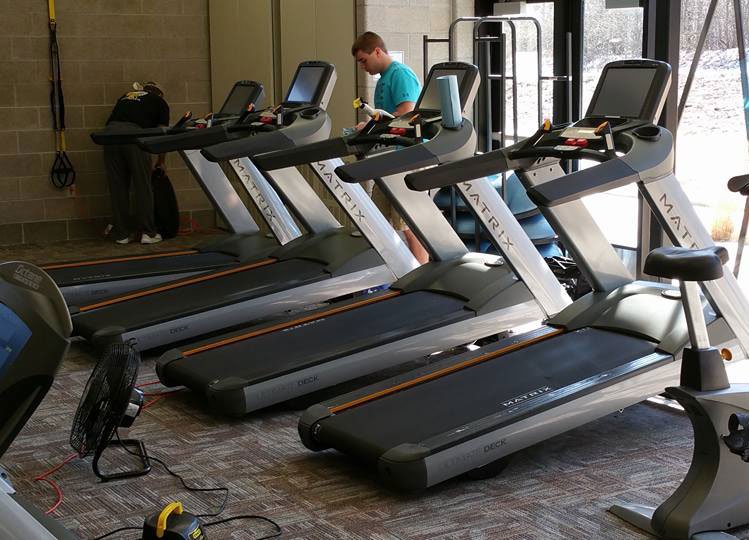
Knowing when to replace commercial fitness equipment is essential for maintaining a high-quality gym experience. As equipment ages, it can affect user safety, performance, and overall satisfaction. Here’s a guide to help you identify when it’s time to invest in new machines.
Key Indicators for Replacement
If your equipment is constantly breaking down or requiring repairs, it may be time for a replacement.
– Increased Downtime: Frequent repairs can lead to extended periods when the equipment is out of service, frustrating your members.
– Cost of Repairs: If repair costs are approaching or exceeding the price of new equipment, investing in replacements can be more economical.
2. Diminished Performance
Equipment performance can degrade over time, impacting user experience.
– Inconsistent Functionality: Machines that don’t function as intended (e.g., treadmills that stop mid-workout) can hinder workouts and drive members away.
– Wear and Tear: Obvious signs of wear (like frayed cables, rust, or unstable parts) can affect safety and performance.
3. Declining Usage Rates
If certain machines are seeing reduced usage, it might be a sign that members are dissatisfied.
– Feedback from Members: Regular surveys or informal feedback can reveal if members feel certain equipment is outdated or ineffective.
– Observation: Track usage patterns; if machines are consistently empty during peak hours, it might indicate they’re not appealing to users.
4. Safety Concerns
Safety is paramount in a fitness environment.
– Visible Damage: Cracked frames, loose bolts, or worn-out padding can pose serious safety risks.
– Increased Injuries: If members report injuries related to specific machines, it’s critical to review and possibly replace that equipment.
5. Technological Advancements
Fitness technology is rapidly evolving, and older equipment may lack the features that members desire.
– Smart Features: Modern machines often come with connectivity, tracking capabilities, and interactive interfaces. If your equipment lacks these features, it may not meet the expectations of tech-savvy users.
– Energy Efficiency: Newer models are often designed to be more energy-efficient, which can reduce operational costs.
6. Aesthetics and Brand Image
The appearance of your gym can significantly impact member satisfaction and retention.
– Outdated Look: Equipment that looks worn or outdated can detract from the overall appeal of your gym.
– Branding Opportunities: Investing in modern equipment can enhance your brand image, attract new clients, and retain existing ones.
7. Changing Trends and Member Preferences
As fitness trends evolve, so do member preferences regarding equipment.
– Emerging Fitness Trends: Stay updated on popular workout trends and ensure your equipment aligns with what members are looking for.
– Diverse Offerings: Ensure a variety of equipment to cater to different fitness levels and preferences, which may require replacing less versatile machines.
Conclusion
Replacing commercial fitness equipment is a critical decision that can greatly influence the overall success of your gym. By keeping an eye on performance, safety, and member preferences, you can make informed decisions about when it’s time to upgrade. Regular assessments will not only enhance user satisfaction but also foster a welcoming environment that encourages members to achieve their fitness goals
How often do you evaluate your equipment, and what factors do you consider most important when deciding to replace it?